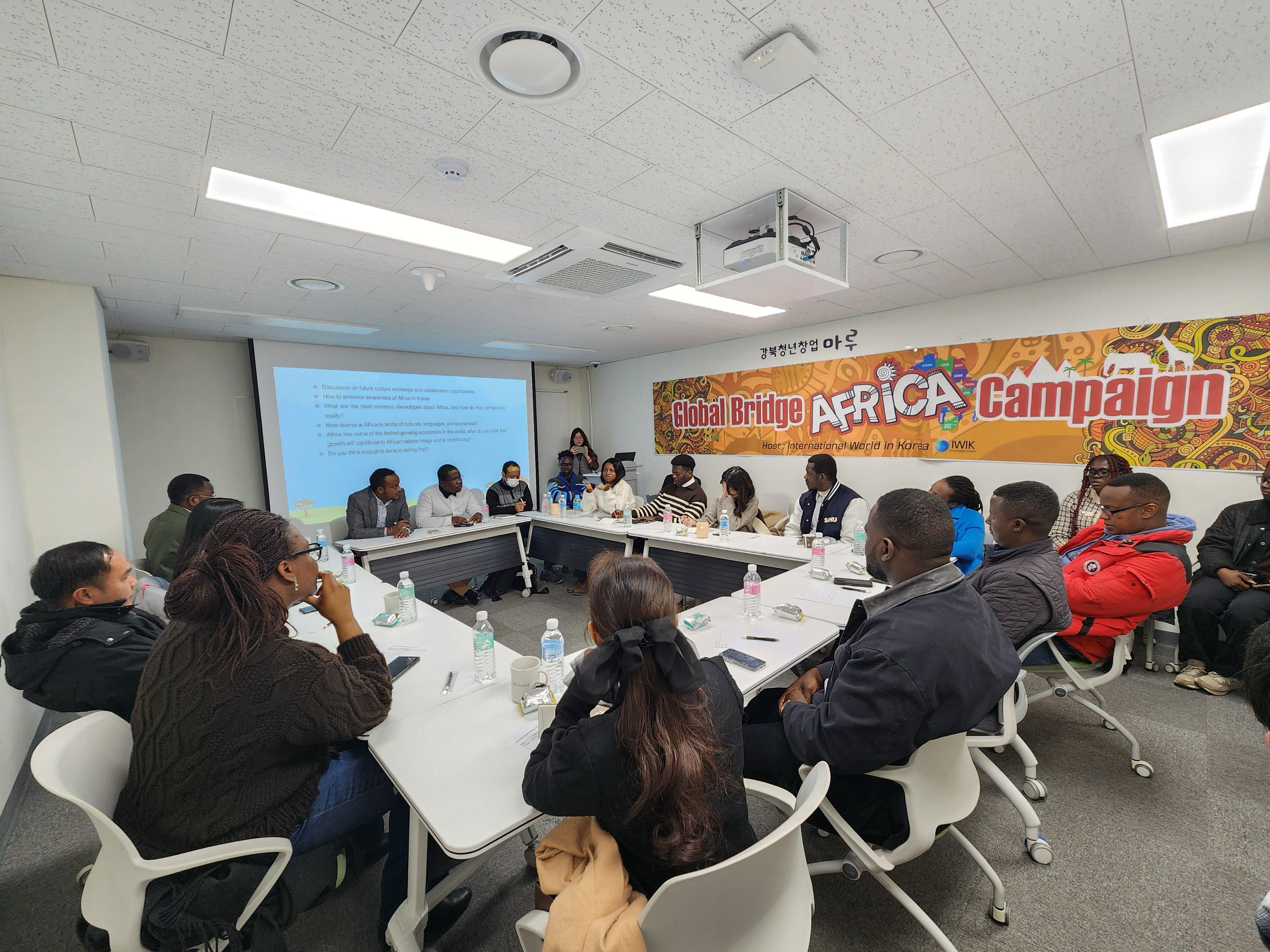

Moving to South Korea for university can be exciting. New classes, new food, new places and a completely different environment can make the first few months feel like an adventure.
But beneath the excitement, many international students experience something they did not expect: loneliness.
Being surrounded by people does not necessarily mean feeling connected to them.
Loneliness Is More Common Than You Think
You may find yourself missing:
- Family
- Friends back home
- Familiar food
- Your language
- Your culture
- Familiar social routines
- The feeling of being understood without explaining yourself
For international students, these feelings can become particularly strong during weekends, holidays and examination periods.
Experiencing loneliness does not mean that you made the wrong decision by coming to Korea.
It means that you are adapting.
1. Build a Routine
A regular routine can make an unfamiliar environment feel more manageable.
Try to establish simple habits:
- Attend classes consistently
- Exercise regularly
- Study at the same location
- Cook familiar meals
- Explore your neighborhood
- Attend student activities
The goal is not to fill every minute of your day.
It is to create structure.
2. Find People With Similar Interests
Don't limit your social circle to people from your own country.
Join:
- University clubs
- International student associations
- Sports groups
- Language exchange programs
- Religious or cultural communities, where appropriate
- Volunteer activities
- Professional communities
Friendships usually develop through repeated interaction rather than one-time meetings.
3. Stay Connected With Home
Technology makes it easier to maintain relationships across borders.
Schedule regular calls with:
- Parents
- Siblings
- Friends
- Former classmates
However, try not to spend all your free time online with people back home.
Your goal should be to maintain your existing relationships while building new ones in Korea.
4. Learn Some Korean
You do not need to become fluent before you start interacting with people.
Learning practical Korean can make everyday interactions easier and can increase your confidence.
Start with:
- Ordering food
- Asking for directions
- Introducing yourself
- Talking to classmates
- Shopping
- Speaking with landlords
- Visiting government offices
Language learning can also introduce you to other students who are learning Korean.
5. Explore Korea
You do not have to wait until someone invites you somewhere.
Visit:
- Parks
- Museums
- Libraries
- Cafés
- Markets
- Cultural sites
- University events
- Different neighborhoods
Sometimes the best way to break a cycle of isolation is simply to leave your room.
6. Give Yourself Time
You do not need to build a perfect social life within your first month.
Some friendships will happen naturally.
Others will take weeks or months.
Give yourself permission to have difficult days without interpreting them as failure.
7. Know When to Ask for Help
If loneliness becomes persistent and begins affecting your studies, sleep, relationships or ability to function normally, consider speaking with your university's student counseling service or another qualified professional.
Asking for help is not weakness.
It is part of taking care of yourself.
You Are Not Alone
Studying abroad requires academic adaptation, cultural adaptation and emotional adaptation.
There will be difficult days.
But Korea can also become a place where you build friendships, discover new interests and create experiences that stay with you long after graduation.
You do not have to navigate the experience alone.