Finding suitable accommodation is one of the first major challenges for international students and newcomers to South Korea. The Korean rental system can be unfamiliar, particularly because of terms such as jeonse (전세), wolse (월세), key money, deposits, and maintenance fees.
1. Understand the Main Types of Accommodation
Before looking for a property, understand the most common options available.
Dormitories
University dormitories are often the easiest option for newly arrived students. They are convenient, relatively affordable, and usually located close to campus. However, spaces can be limited and application periods may be strict.
Goshiwon (고시원)
Goshiwons are small private rooms, usually furnished and sometimes including utilities. They are commonly used by students and people who need inexpensive short-term accommodation.
One-room / Studio
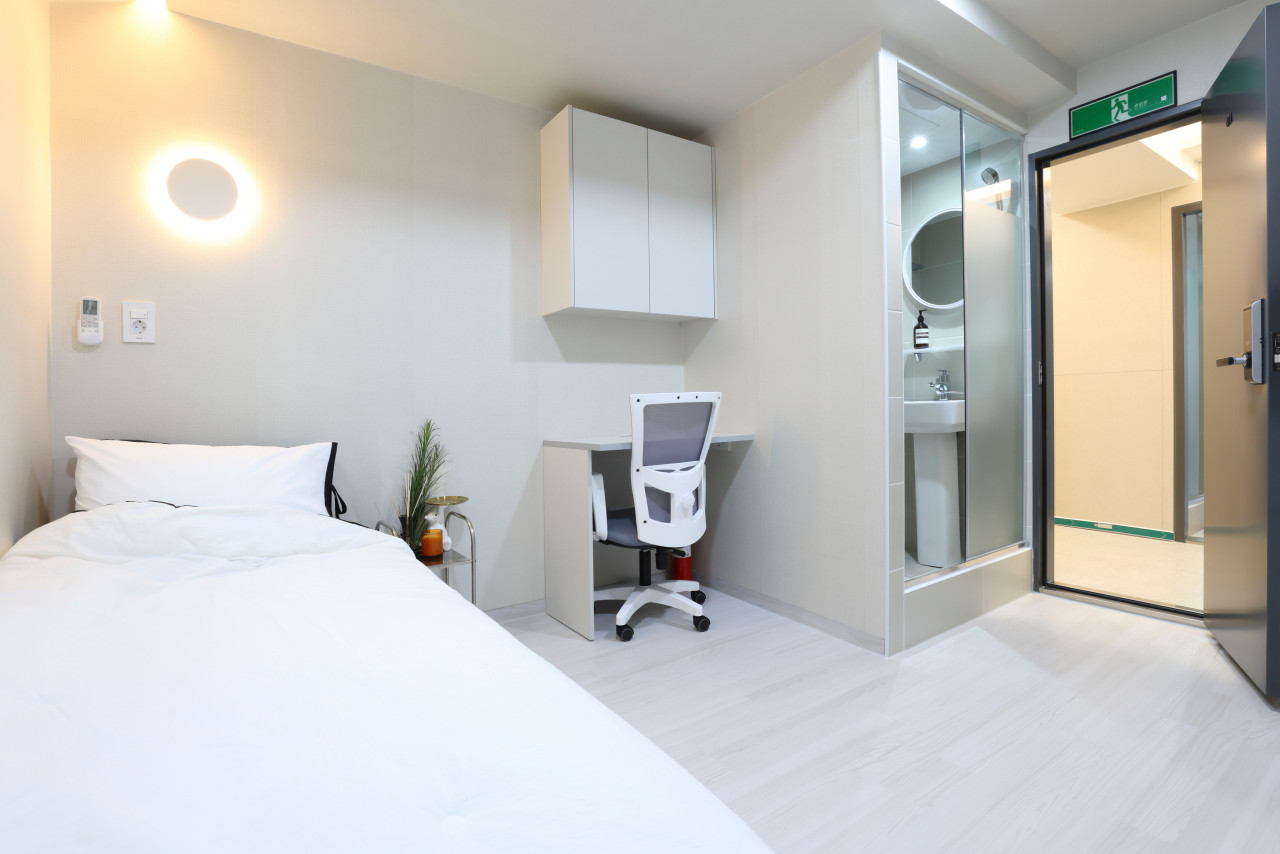
A one-room, often called a 원룸 (wonrum), is a small studio apartment containing a bedroom/living area, kitchen and bathroom.
Wolse (월세)
Wolse is a monthly rental arrangement. The tenant normally pays a security deposit and monthly rent.
Jeonse (전세)
Jeonse is a Korean rental system in which the tenant provides a large security deposit instead of paying conventional monthly rent. Because the amount involved can be substantial, tenants should take particular care to verify the property and contract.
2. Decide Your Budget
Your accommodation budget should include more than just monthly rent.
Consider:
- Security deposit
- Monthly rent
- Management fee
- Electricity
- Gas
- Water
- Internet
- Moving costs
- Brokerage fee
- Furniture and appliances
Do not compare apartments based solely on the advertised monthly rent.
3. Choose Your Location
For students, proximity to your university can significantly reduce transportation costs and commuting time.
Consider:
- Distance to campus
- Access to subway or bus routes
- Nearby supermarkets
- Hospitals and pharmacies
- Restaurants
- Safety
- Laundry facilities
- Convenience stores
- Distance from your workplace
4. Use a Licensed Real Estate Agent
Foreign residents can use local real estate agencies, commonly called 부동산 (budongsan).
When possible, use a licensed real estate agent and ask for a detailed explanation of the contract before signing. Seoul's Foreign Resident Center specifically provides guidance on checking a property and broker before signing a jeonse or wolse contract.
5. Understand Your Contract
Before signing, carefully check:
- Contract period
- Deposit
- Monthly rent
- Management fee
- Utilities
- Maintenance responsibilities
- Early termination conditions
- Deposit-return conditions
- Move-in date
- Landlord information
Do not transfer a large deposit simply because someone sends you property photos online.
6. Protect Your Deposit
Deposit protection is particularly important for jeonse and high-deposit wolse contracts.
Verify the property's ownership and relevant registration information before committing to the contract. Seoul's foreign-resident guidance also highlights the importance of protecting tenants against housing and jeonse fraud.
For qualifying residential lease contracts, Korea's Housing Lease Contract Reporting System requires the lease to be reported within 30 days in applicable areas and for contracts meeting the applicable deposit/rent thresholds.
7. Complete Your Address Registration
Foreign residents staying in Korea for more than 90 days are required to register as foreign residents, and changes to registered information such as address must be reported within the applicable period.
Final Checklist
Before moving in:
- Verify the landlord
- Inspect the property
- Understand the deposit and rent
- Confirm management fees
- Read the complete contract
- Keep a signed copy
- Complete required reporting
- Register your address where required
- Photograph the property's condition before moving in
Useful resources: Seoul Foreign Portal, local district office, licensed real estate agent.